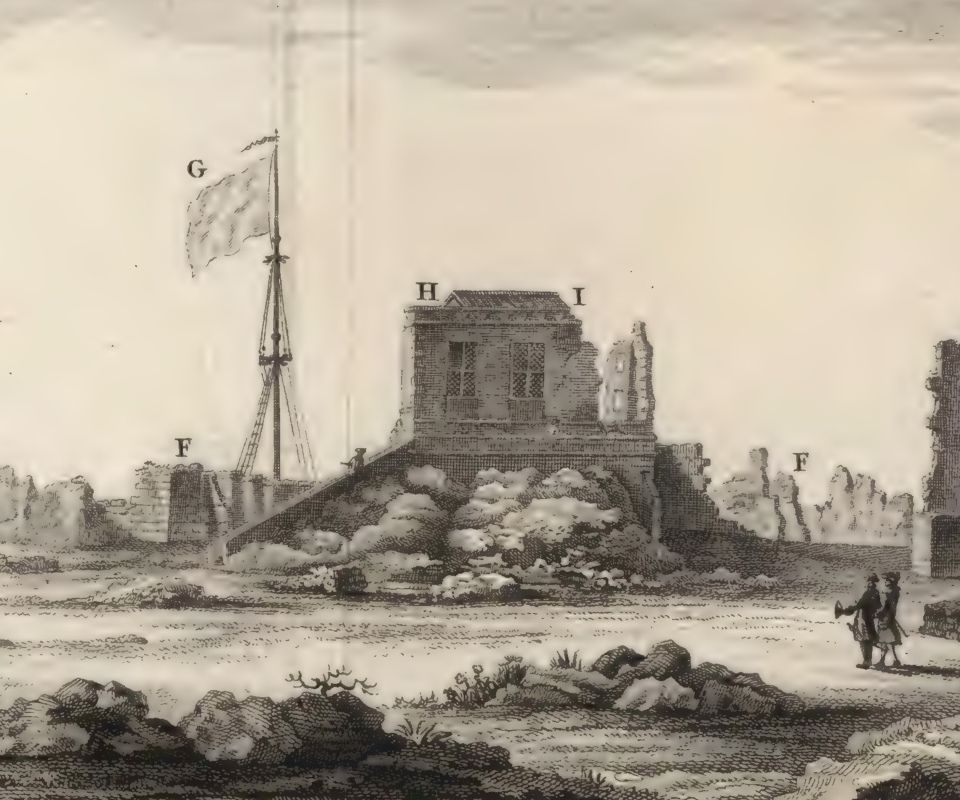
Guillaume Le Gentil knew Manila had good observing weather. He left anyway. His voyage account explains the choice that took him to a ruined palace in Pondicherry for the transit of Venus—and records the observation made by the friend he left behind.
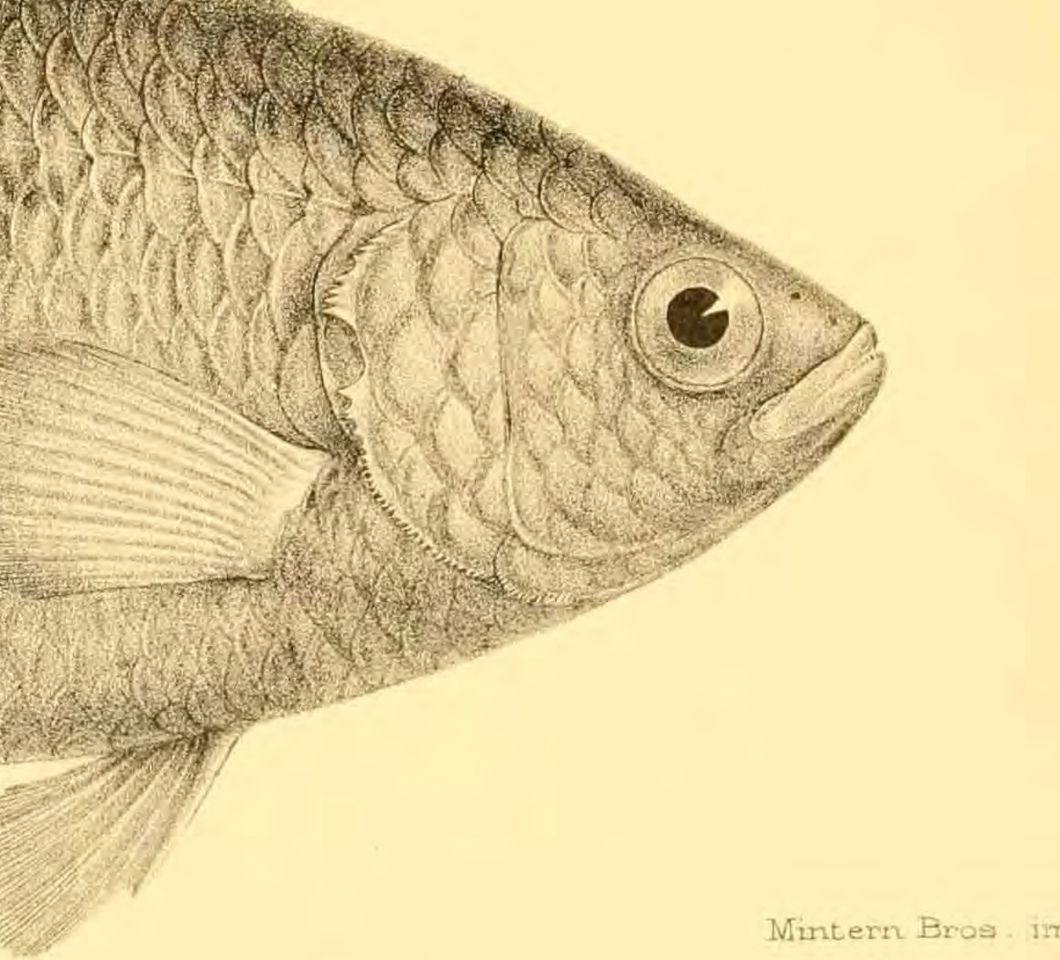
Mary Kingsley’s 1895 fish collection had to survive bargaining, a shortage of alcohol and the Ogooué rapids. Three specimens from Kondo-Kondo eventually reached a London museum, where an adult and two young fish helped Albert Günther distinguish a new species.
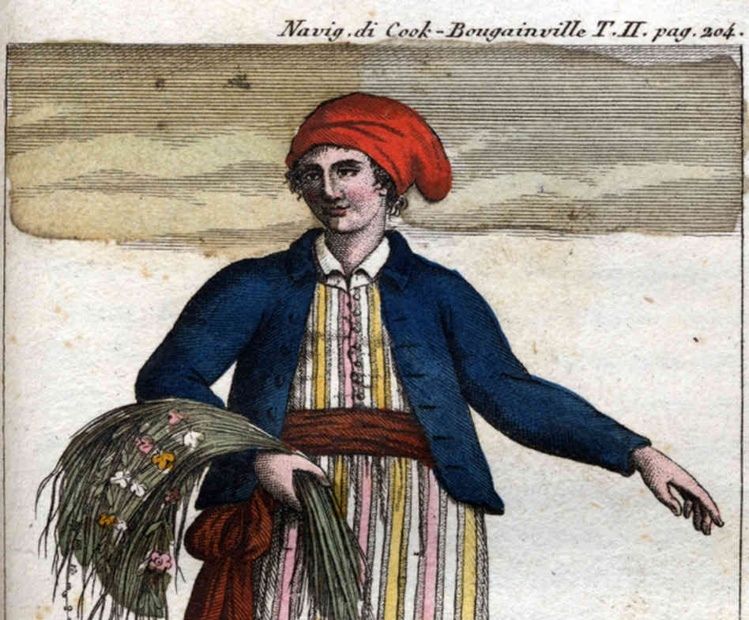
Jeanne Baret carried plant folders through the Strait of Magellan and kept working after Bougainville’s ships moved on. A Mauritian specimen and an abandoned botanical name help trace the labour behind a collection credited to Philibert Commerson.
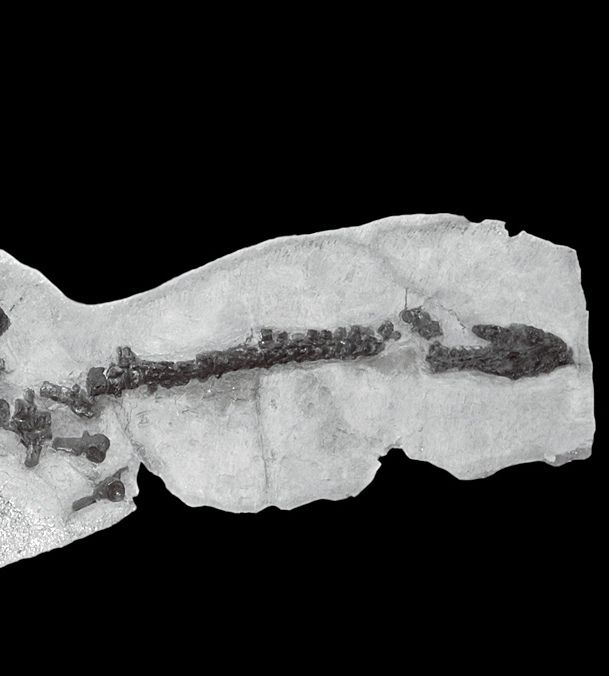
Mary Anning had a strange skeleton to sell and two wealthy customers to consider. Her letter from Lyme Regis reveals the judgement behind a price, before the fossil became a scientific sensation and a museum specimen.
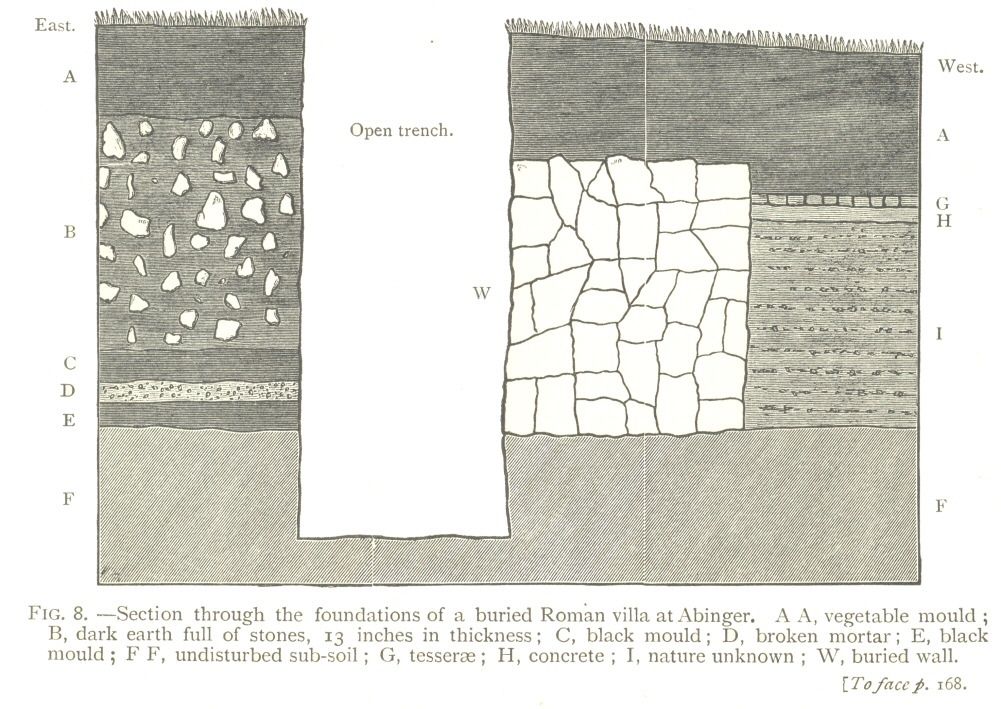
Fresh earth kept appearing on a cleared Roman floor. Charles Darwin used years of experiments and a network of observers to explain how worms could gradually bury traces of human work.
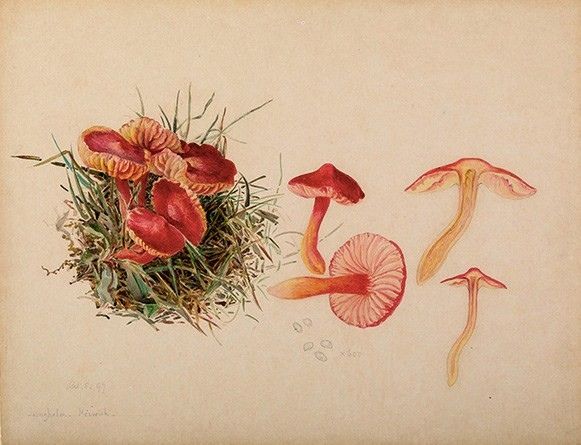
Beatrix Potter exchanged paintings for parcels of fungi. The specimens led her from accurate portraits to a harder undertaking: growing spores, persuading sceptics and producing a slide that would perform when required.
Sometimes a story leads to an object you can hold. We explore authentic instruments and curiosities with a meaningful connection to the people, periods and ideas we write about.